

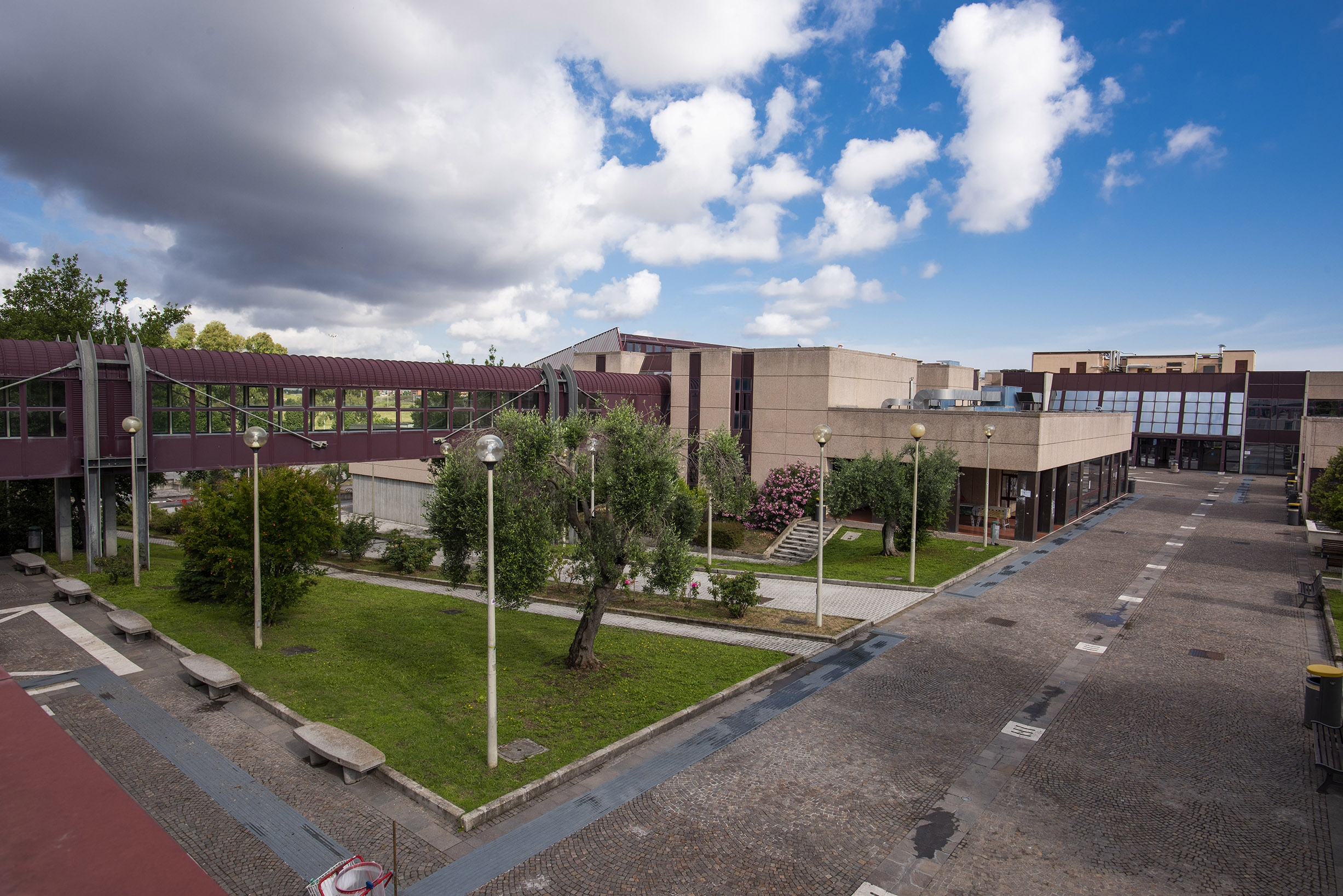
The University of Rome Tor Vergata, since its establishment, has offered a wide and varied range of advanced training courses in the field of classical antiquities. Over the past twenty-five years, the two doctoral programmes in Ancient History and in Classical Antiquity and Its Legacy — now merged into the PhD Programme in Classical Antiquity and Its Legacy. Archaeology, Philology, History — have consistently ranked among the top programmes in national evaluations, both for the quality of the teaching provided and for the excellence of the results achieved by our students and faculty, and for the employment opportunities offered upon completion of the programme.
The Course Offering
The courses taught within the PhD Programme cover a wide range of aspects of the ancient world, from philology to history, from historiography to archaeology, from epigraphy to papyrology, from antiquities to topography, and more. Our students are encouraged to undertake innovative research projects under the guidance of one or more faculty members, while at the same time developing a comprehensive understanding of the ancient world.
A fundamental aspect of this educational approach is the organisation of regular seminar meetings at which doctoral students are invited to present the results of their research to the faculty and to their fellow students. On these occasions, young scholars can frequently also benefit from the valuable expertise of distinguished Italian and foreign specialists who collaborate with the PhD Programme either as external lecturers or as visiting professors. Each year, the Programme also hosts numerous lectures by eminent scholars of classical antiquity, as well as opportunities for doctoral students to undertake research stays abroad at leading centres for the study of the ancient world.
The international vocation of the programme requires prospective doctoral students to have a command of at least two foreign languages. The Programme’s teaching offer has furthermore always included seminars and lectures delivered by foreign scholars. There are also numerous opportunities for in-depth engagement with the specialist terminology of the disciplines covered by the Programme in languages other than Italian.
The Programme’s faculty pay close attention to preparing doctoral students in the use of digital databases on the ancient world, dedicating specific sessions to the development of these skills. Full support is also provided to help students become familiar with the most common software tools for presenting research results.
Considerable space is devoted to introducing students to the research systems of other European countries, both through seminars given by Italian scholars who have spent significant periods of research abroad, and by facilitating direct contact with staff from foreign research institutions who can explain their structure and the possibilities for collaboration.
Enhancement of Research Outcomes and Intellectual Property
Doctoral students are continuously encouraged to engage with the world of scholarly publishing, either directly or with the support of faculty members. In particular, they have the opportunity to gain an inside understanding — both as editors and as authors — of the editorial workings of national and international journals with which the PhD Programme maintains collaborative relationships or which are themselves affiliated with the Programme.
Frequency of Meetings
The Faculty Board, often expanded to include all doctoral students, meets approximately once a month. These meetings are supplemented by scholarly and educational seminars delivered by eminent Italian and foreign academics, as well as by the annual presentations given by doctoral students for admission to the following year of the programme or to the final examination.